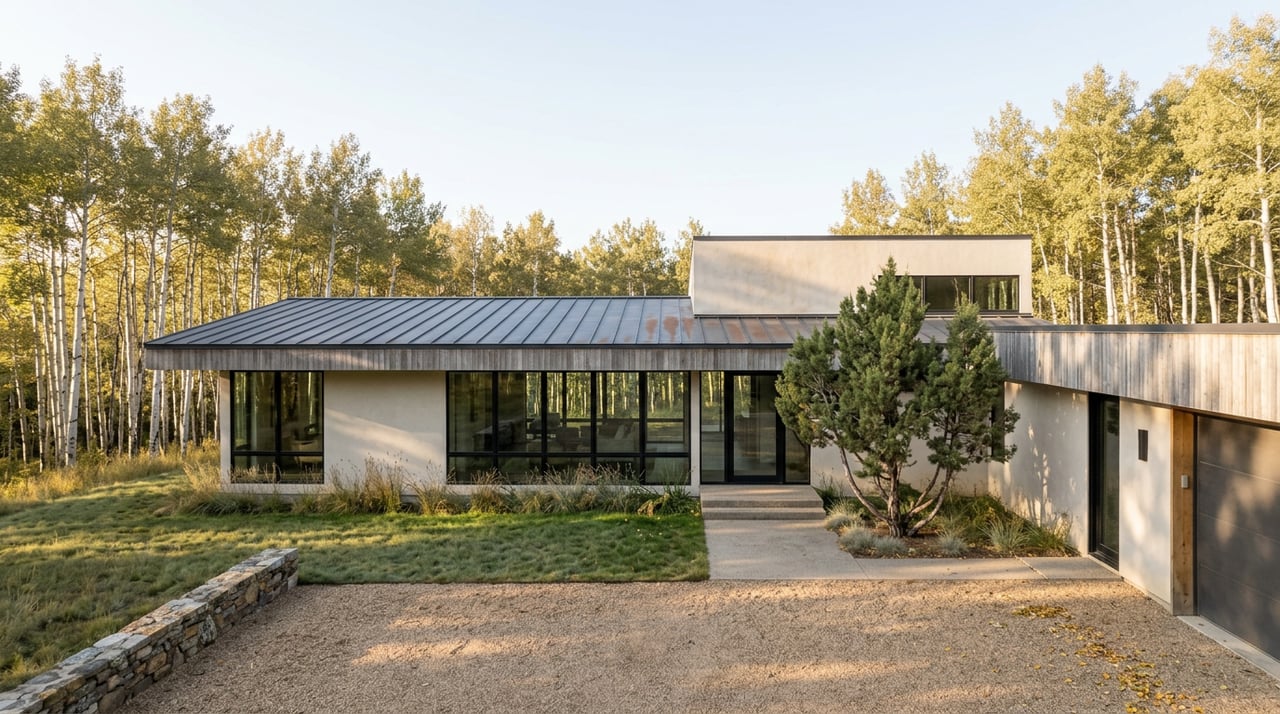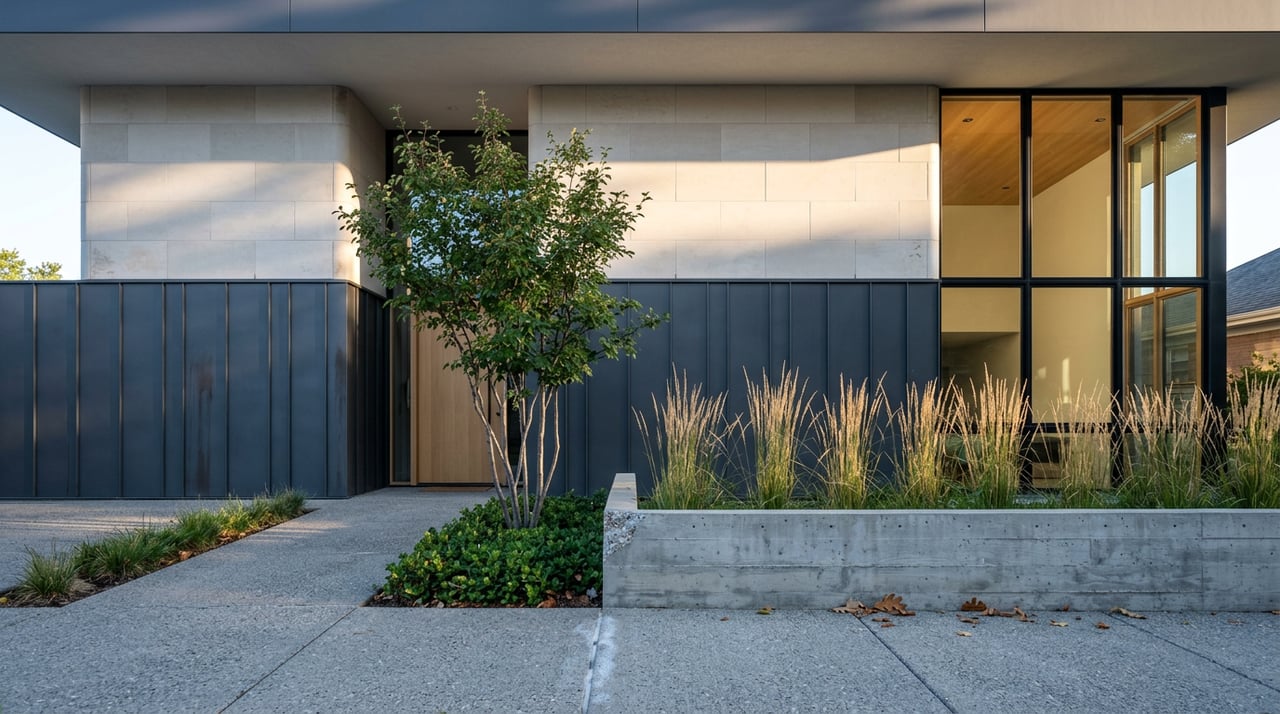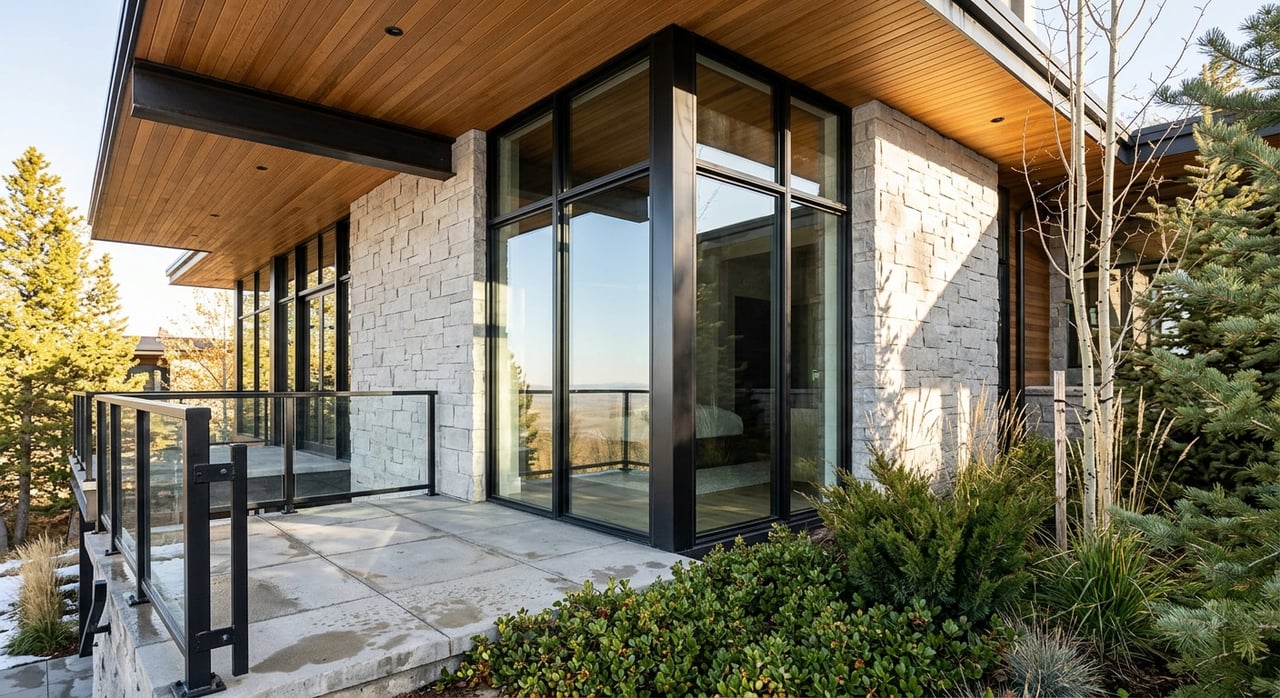
Wondering why two second homes in Big Sky that look similar online can end up with very different values? In a resort market like Big Sky, price is not just about square footage or bedroom count. If you are buying a second home here, understanding how valuations work can help you avoid overpaying, ask better questions, and make a more confident decision. Let’s dive in.
Why Big Sky valuations are different
Big Sky is not one simple, uniform market. According to a local community profile, it is an unincorporated community spread across Gallatin and Madison counties and shaped by multiple special-purpose districts that do not always line up neatly with one another. That matters because valuation depends on comparing a property to truly similar properties, and in Big Sky, the right comparison set can be much narrower than the map label suggests.
The same Big Sky community profile notes that the area is largely made up of second homeowners and includes many HOAs, luxury enclaves, and private clubs. In practical terms, that creates smaller submarkets with their own pricing patterns. A condo near a resort base, a home in a private enclave, and a property in a more general neighborhood may all appeal to different buyers and trade on different value drivers.
Seasonality adds another layer. The 2023 Big Sky Community Capital Improvement Plan estimated 4,137 housing units in the district, including 1,292 short-term rental units and 742 lodging rooms, with a peak population of 11,345 when residents, seasonal residents, and visitors are combined. The plan also said 66% of the housing stock was used for purposes other than permanent housing, which helps explain why second-home use and visitor demand can shape pricing.
Know your true submarket
One of the biggest mistakes second-home buyers make is treating all of Big Sky as one comp pool. It is better to think in terms of distinct submarkets tied to access, setting, and buyer use. That is especially important in a place where resort nodes and neighborhood structure influence demand.
At Big Sky Resort’s base areas, you can see how different access points serve different experiences. Mountain Village is the central base with dining, shopping, rentals, lift-ticket services, hotels, and condo options. Madison Base has a smaller footprint and different access dynamics, while Montage offers another distinct node with public access to restaurants and shopping.
For valuation, that means your likely comp set may come from the same project, the same base area, or a nearby competing area with similar access and amenities. A home that is five minutes closer to the lifts, easier to reach in winter, or in a different HOA may belong to a different market segment even if the finishes and size look similar on paper.
Ski access can move value
In many resort markets, ski access is one of the clearest drivers of demand. Big Sky Resort itself offers 5,850 skiable acres, 40 lifts, 4,350 vertical feet, 320 named runs, and about 400 inches of annual snowfall. Recent infrastructure like Madison 8 and the Explorer Gondola has also improved access and mountain connectivity.
That does not mean every ski-access property commands the same premium. It means buyers often pay more for convenience, and the amount depends on what similar buyers have historically paid for that convenience in the same submarket. Ski-in/ski-out, walk-to-lift, shuttle-served, and short-drive access can all appeal to buyers, but they are not valued equally.
If you are comparing listings, ask what kind of access each one really offers. A home near Mountain Village may attract a different buyer than one tied more closely to Madison Base. Even within the same area, route convenience, winter access, and how directly you reach terrain can affect value.
Views, site, and road access matter
Views are a major part of the Big Sky lifestyle, but they are also a valuation issue. Fannie Mae’s comparable-sales guidance says comparable sales should come from the same market area when possible because those properties reflect similar positive and negative location traits. The same guidance emphasizes site, lot size, location, and market conditions.
In Big Sky, that makes features like mountain views, elevation, driveway usability, and road access especially important. A property with a wider view corridor or easier year-round access may compete in a stronger buyer pool than a similar home with a steeper drive or less typical location. Those factors can influence both marketability and price.
This is one reason listing photos can be misleading. Two homes may share the same bedroom count and approximate square footage, but if one sits on a more typical access road or captures a more sought-after view, it may deserve a different valuation.
Finishes do not always return dollar for dollar
Luxury buyers care about design, materials, and condition. Appraisers do too, but they do not simply assign value based on what an owner spent. According to Freddie Mac’s overview of appraisals, appraisers consider physical attributes, condition, comparable properties, location, market conditions, lot size, and upgrades or amenities.
Fannie Mae also notes that a property can be an over-improvement for its neighborhood and still fall within the neighborhood’s price range, but only the contributory value of those features should be reflected in the analysis. In plain English, a beautiful remodel can matter a lot, but not every dollar spent on finishes automatically shows up in value.
That is especially relevant in Big Sky, where one project or HOA may support a certain level of finish and another may not. If you are buying a second home with very high-end upgrades, it is worth asking whether the surrounding comp set supports that level of finish. If not, the home may still be appealing, but your pricing strategy should reflect that risk.
Rental potential affects demand
Many second-home buyers weigh personal use against occasional rental income or cost-sharing. In Big Sky, that is a common part of the conversation because the market includes a large share of second homes, plus a substantial short-term rental and lodging inventory. The local data showing 1,292 short-term rental units and 742 lodging rooms helps explain why rental potential can influence demand.
Still, rental potential does not replace sales evidence. A property may be more marketable because buyers believe it offers better flexibility or seasonal use, but supported value still needs to come from comparable sales in the same or a competing market area. That distinction matters if you are trying to judge whether a listing price is supported or just aspirational.
For buyers, the takeaway is simple. Rental potential can be part of why a home is desirable, but it should not be the only reason you accept a premium. You still want to understand how that premium compares with what similar properties have actually sold for.
How appraisals handle limited comps
Resort markets often have fewer truly comparable sales, and Big Sky is no exception. Fannie Mae’s sales-comparison rules require at least three closed comparables and prefer sales from the same subdivision or project when possible. The guidance also allows older sales in a low-activity market and allows competing-market-area sales when the appraiser explains why they are the best available evidence.
This framework helps explain why values can look uneven from one listing to the next. If one property belongs to a different HOA, has stronger ski access, sits in a different project, or offers a materially different site, it may call for a different comp set. The label “Big Sky” alone is rarely specific enough.
For second-home buyers, this is where disciplined analysis matters. You want to look beyond broad averages and focus on what truly competes with the home you are considering. That is how you separate supported value from pricing that simply sounds good in a strong resort market.
Questions to ask before you offer
Before you write an offer on a second home in Big Sky, it helps to slow down and pressure-test the value. Ask questions that tie the asking price back to evidence, not just marketing language.
Here are a few smart questions to raise:
- Which recent sales are the best comparables for this property?
- Are those sales from the same project, HOA, or base-area submarket?
- How were differences in ski access, views, condition, and road access weighed?
- Does this home have finishes that are typical for the area, or is it an over-improvement?
- If rental flexibility is part of the appeal, how much of the pricing seems tied to that demand?
These questions do not make you difficult. They make you informed. In a valuation-sensitive market, clear answers can help you negotiate better and buy with more confidence.
Why valuation guidance matters
A second home is often both a lifestyle purchase and a major financial decision. In Big Sky, those two sides are tightly linked because location, access, and market segmentation can create large value differences between homes that seem similar at first glance. The more clearly you define the submarket and the true comp set, the better your decision is likely to be.
That is where appraisal-minded analysis can make a real difference. Instead of asking only whether you love a property, it helps to ask what evidence supports the price and how its specific features affect marketability. When you understand the why behind the number, you can move forward with much more clarity.
If you want a more technical, evidence-driven read on second-home pricing in Big Sky, connect with Sunny Odegard. Her appraisal background and valuation-first approach can help you make sense of a complex resort market before you commit.
FAQs
How are second homes in Big Sky valued differently from homes in a typical neighborhood?
- Big Sky is made up of smaller submarkets shaped by resort access, HOAs, site differences, and seasonal demand, so valuations often rely on a narrower and more specialized comp set.
Does ski-in or ski-out access always increase Big Sky home value?
- Often it is a strong value driver, but the premium depends on what similar buyers have paid for comparable access in that specific submarket.
Do mountain views always add value to a Big Sky second home?
- Views can support value, but only to the extent that comparable sales show buyers paid more for similar view quality and site characteristics.
Can a luxury remodel fully raise the value of a Big Sky property?
- Not always, because appraisers measure contributory value rather than simple cost, and some upgrades may exceed what the immediate market supports.
Does short-term rental potential affect Big Sky second-home pricing?
- Yes, rental potential can influence buyer demand and marketability, but supported value still needs to be backed by comparable sales evidence.