Thinking about buying land in Bozeman and building from the ground up? It can be an exciting move, but a lot is not valuable just because it looks spacious or sits in a desirable area. In Bozeman, what really matters is whether the parcel is actually feasible to build on under current rules, access conditions, and utility realities. This guide will help you understand what to verify before you buy, what can affect timeline and cost, and how to think about lot value with fewer surprises. Let’s dive in.
Why Bozeman lot purchases are different
Buying a lot in Bozeman is not just about acreage, views, or price per acre. The city’s revised Unified Development Code took effect on February 1, 2026, and the update changed zoning districts, review processes, and zone-edge transitions. That means buyers need to evaluate land based on the current code and approval path, not just the listing description.
If a parcel is inside Bozeman city limits, the city’s Development Center and electronic review process play a central role in what comes next. A property that looks simple on paper may still require planning review, utility coordination, or other steps before you can build. In other words, lot buying here is often an exercise in feasibility first.
Bozeman’s long-range planning also shows why this matters. The city identified large amounts of vacant and undeveloped land in its land-use inventory, but that does not mean every acre is ready for construction. Access, utilities, and zoning still determine whether a site is truly buildable.
Start with jurisdiction
Before you look at setbacks, house plans, or site costs, confirm where the parcel sits from a regulatory standpoint. Is it inside Bozeman city limits, in the county area near the city, or farther out in Gallatin County? That one answer affects permitting, utility options, and the agencies involved in review.
Inside the city, you are working within Bozeman’s planning and development framework. In county areas, Gallatin County zoning guidance and mapping become especially important. The same-size parcel can have a very different path to approval depending on which jurisdiction controls it.
This is also where future city services can come into play. Bozeman’s community plan says annexation is generally landowner-driven and tied to utility planning. If you are buying near the edge of the city, that question may matter more than it first appears.
What to verify before closing
A raw lot can come with more uncertainty than an existing home, so your due diligence needs to be practical and detailed. The goal is to verify that the parcel can support the kind of build you have in mind before you close.
Here are the big items to check:
- Zoning: Confirm what the parcel allows under the current city or county rules.
- Legal access: Make sure the property has reliable legal access, not just a visible path or nearby road.
- Water: Determine whether the lot will use city water, a district system, or possibly a private well where allowed.
- Wastewater: Verify whether the property connects to sewer or will require septic review and approval.
- Recorded restrictions: Review easements, covenants, shared-maintenance obligations, and other title matters.
These issues are not minor details. In Gallatin County, subdivision rules specifically note that later changes involving wildfire, water supply, septic, or flood standards can affect approval or extension decisions. That is a strong reason to verify assumptions early.
Why title and survey matter
Title work and survey materials do more than check a box. County subdivision regulations require title and survey-related documentation prepared by licensed professionals, which underscores how important ownership, lienholder, boundary, and easement information really is.
For you as a buyer, that means confirming the exact parcel lines, any recorded easements, and whether there are obligations tied to roads, utilities, or shared infrastructure. A lot can look straightforward until a survey or title review reveals a limitation that changes the build area or cost structure.
Access is more than a driveway
Many buyers assume road frontage means the access question is solved. In practice, access can be one of the first items that complicates a land purchase.
Gallatin County notes that a new driveway from a county-maintained road requires a Road Access Permit. The county also makes clear that roads may be public-use roads maintained by residents or an HOA, private roads maintained by residents, city roads, or state highways. That is why road condition and maintenance responsibility should be part of your review before you buy.
Water and wastewater can decide the deal
Utility feasibility often separates a buildable lot from a speculative one. Inside Bozeman city limits, wells are allowed only for irrigation and cannot replace municipal water service. Outside the city, many homes use private wells, but parcels within a water and sewer district must connect to that system, and some properties in Controlled Ground Water Areas may need a DNRC well permit.
Wastewater is just as important. Gallatin County Environmental Health handles septic permitting, so a raw parcel outside municipal service should be checked carefully for both water and septic feasibility. If either one is unresolved, your build timeline and budget can change quickly.
Understand the path from dirt to permit
One of the biggest mistakes lot buyers make is assuming that ownership and build readiness are the same thing. They are not. Even after closing, the site may still need planning review, infrastructure coordination, or permits before construction can begin.
In Bozeman, the development review process starts with prescreening and completeness checks. The city says an application is formally accepted within five days after fees are paid, department review typically takes 15 to 20 days, public noticing has a minimum 15-day period, and final staff-report review occurs within 10 days.
Some requests also require City Commission approval. That can include annexations, conditional use permits, planned development zones, preliminary plats, variances, zoning map amendments, and text amendments. If your lot depends on one of those actions, your timeline may be longer than expected.
County timelines can also be layered
In Gallatin County, subdivision review follows a sequence with its own statutory windows. Regulations call for pre-application plan review within 30 working days, and preliminary plat hearings generally occur within 60 working days for most subdivisions or 80 working days for subdivisions with 50 or more lots.
Preliminary plat approval lasts one to three calendar years, and final plat submittal must happen at least 30 working days before that approval expires. Final plat review and commission action are each measured in 20-working-day windows. That structure can be manageable, but it is not instant.
Two county rules are especially important for buyers. A determination that an application is sufficient for review does not guarantee approval, and if regulations change during review, the new regulations govern. That is a clear reminder that timelines can stretch when missing information, utility issues, or code changes arise.
How to think about lot value
In Bozeman, lot value is usually about more than size. Montana’s Department of Revenue appraises residential, commercial, and industrial property at 100% of market value, and defines market value as the price agreed to by informed parties without compulsion. For buyers, that means comparable lot sales matter, but so does understanding what those comparable properties actually had in place.
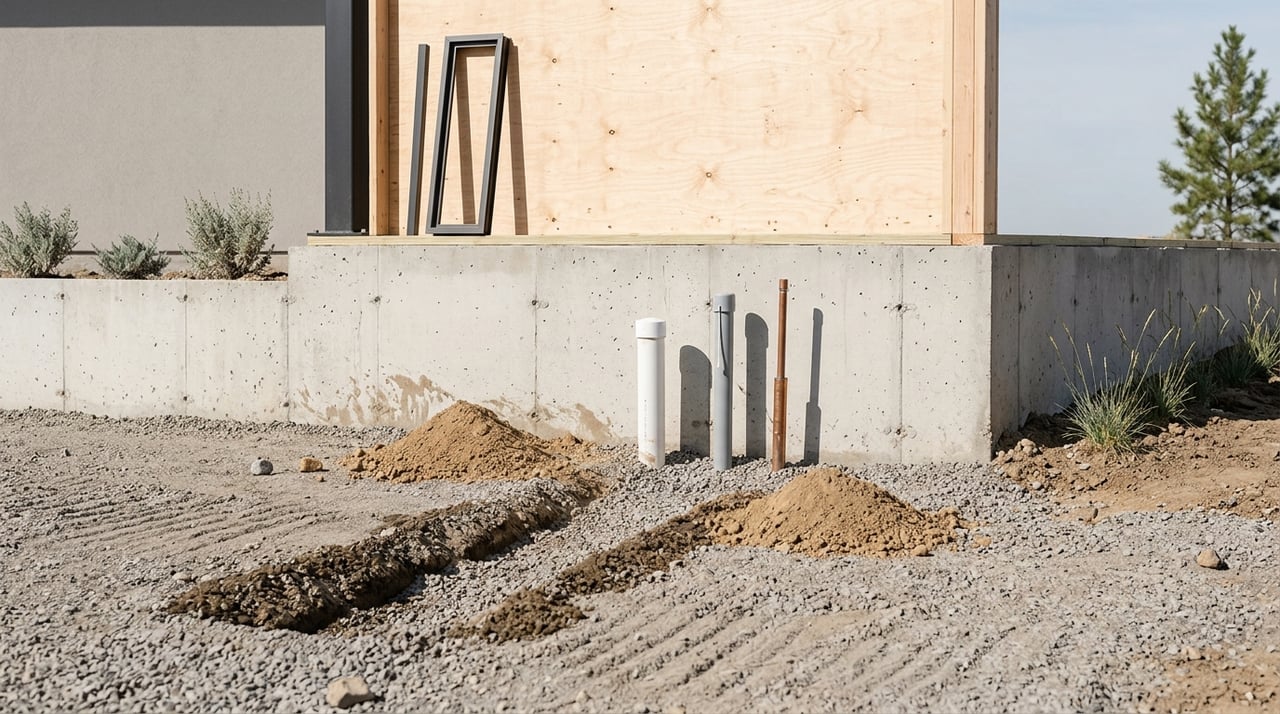
Two lots with similar acreage can have very different values if one already has access, utility readiness, and a cleaner entitlement path. The other may still need approvals, infrastructure coordination, or added site work before it is ready for a permit. From a pricing standpoint, that difference is significant.
This is where an appraisal-minded view can help. Instead of asking only, “How many acres am I getting?” ask, “How close is this parcel to permit-ready status, and what will it take to get there?” That is often the better way to underwrite land in Bozeman.
Costs that show up later
The purchase price is only one part of the equation. Bozeman impact fees are one-time fees for water, sewer, Fire/EMS, and streets/transportation, and the city says they are due at building-permit issuance based on the current fee schedule.
New development also has to meet the city’s water-efficient landscape and irrigation standards. Since Bozeman’s water supply relies largely on snowmelt from the Gallatin Range and a developed spring in the Bridger Range, water conservation is a real part of local planning. Those site-compliance requirements can affect layout, landscaping, and total project cost.
A smart Bozeman lot-buying approach
If you are buying a lot to build on in Bozeman, the safest mindset is to evaluate the parcel as a project, not just a property. Start with jurisdiction, then move to zoning, access, water, wastewater, title, survey, and the likely approval path. That process helps you separate a promising homesite from a parcel that may be harder or more expensive to develop than it first appears.
The good news is that uncertainty can often be reduced with the right upfront review. A disciplined, data-informed approach can help you understand value, timeline, and risk before you commit. In a market like Bozeman, that kind of clarity matters.
If you want help evaluating a Bozeman lot through the lens of value, feasibility, and next-step practicality, Sunny Odegard brings local appraisal insight, development experience, and hands-on market knowledge to the process.
FAQs
What should you check before buying a lot in Bozeman?
- Verify zoning, legal access, water source, sewer or septic options, and recorded restrictions such as easements or covenants before closing.
Can you build right away on a Bozeman lot?
- Sometimes, but only if zoning, access, utilities, and any subdivision or permit requirements are already satisfied.
Does a Bozeman lot inside city limits need municipal water?
- Yes. Inside Bozeman city limits, wells are allowed only for irrigation and cannot replace municipal water service.
What utility questions matter for lots outside Bozeman city limits?
- You should confirm whether the parcel will use a private well, connect to a district system if required, and qualify for septic approval through the county.
How long does lot approval take in Bozeman or Gallatin County?
- Timelines vary, but city review includes prescreening, departmental review, public notice, and decision steps, while county subdivision review follows multiple statutory windows.
Why can two Bozeman lots with similar size have very different prices?
- Lot value often reflects feasibility, including zoning, access, utility readiness, entitlement risk, and the costs required to reach permit-ready status.