Are you weighing a condo against a townhome in Big Sky and wondering which one fits your lifestyle and budget? You are not alone. In a resort market, the details behind ownership, HOA coverage, financing, and rental rules can change your total cost and flexibility. This guide breaks down the essentials in plain language so you can compare options and make a confident choice in Madison County. Let’s dive in.
Big Sky context and county lines
Big Sky spans Gallatin and Madison counties. Many buyers do not realize county lines affect property taxes, permitting, road maintenance, and utility providers. If you are focused on Madison County, confirm the parcel’s county early. Ask for the legal description and plat, and verify the county in public records before you set expectations for taxes or rental registration.
What a condo really is
Ownership and HOA structure
With a condominium, you own the interior of your unit and share common elements like the building envelope, land, hallways, and amenities. The HOA typically maintains the structure, exterior, and most shared systems. You hold a unit deed and a percentage of common elements.
Maintenance and insurance
You usually handle interior finishes, appliances, and personal fixtures. The HOA handles the roof, siding, and common systems if the master policy and CC&Rs say so. You will likely carry an HO-6 policy for walls-in coverage, personal property, and liability. Always verify if the HOA’s master policy is “all-in” replacement cost or more limited.
Where condos fit in Big Sky
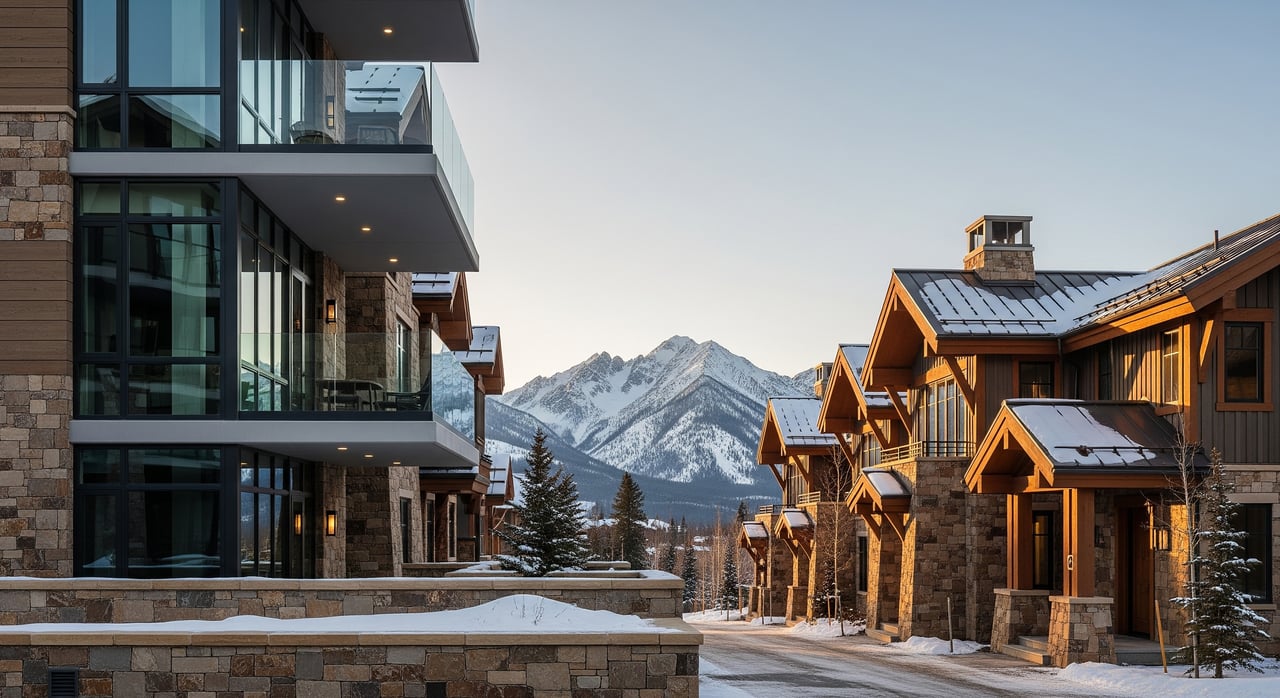
Condos are common in multi-story and resort-style buildings near village cores and lift access. They are popular for lock-and-leave living, walkability, and on-site amenities. The trade-off is typically smaller private outdoor space and higher HOA fees when amenities and services are robust.
What a townhome really is
Fee-simple vs. condo-structured townhomes
Townhomes can look similar from the street but vary legally:
- Fee-simple townhome: You own the structure and the land under it. You are often responsible for exterior maintenance, roof, deck, and driveway. The HOA governs shared areas and standards but may provide limited services.
- Condo-structured townhome: Units are side-by-side but the legal form mirrors a condo. The HOA may maintain exteriors and roofs similar to apartment-style condos.
Do not assume “townhome” always means you maintain the exterior. Check the recorded documents to see who handles the roof, siding, and grounds.
Maintenance and insurance
If it is fee-simple, you may need a homeowner’s policy similar to an HO-3 because you own the exterior structure. If it is condo-structured, you may still need an HO-6. Confirm the master policy, deductibles, and any owner requirements written into the CC&Rs.
Where townhomes fit in Big Sky
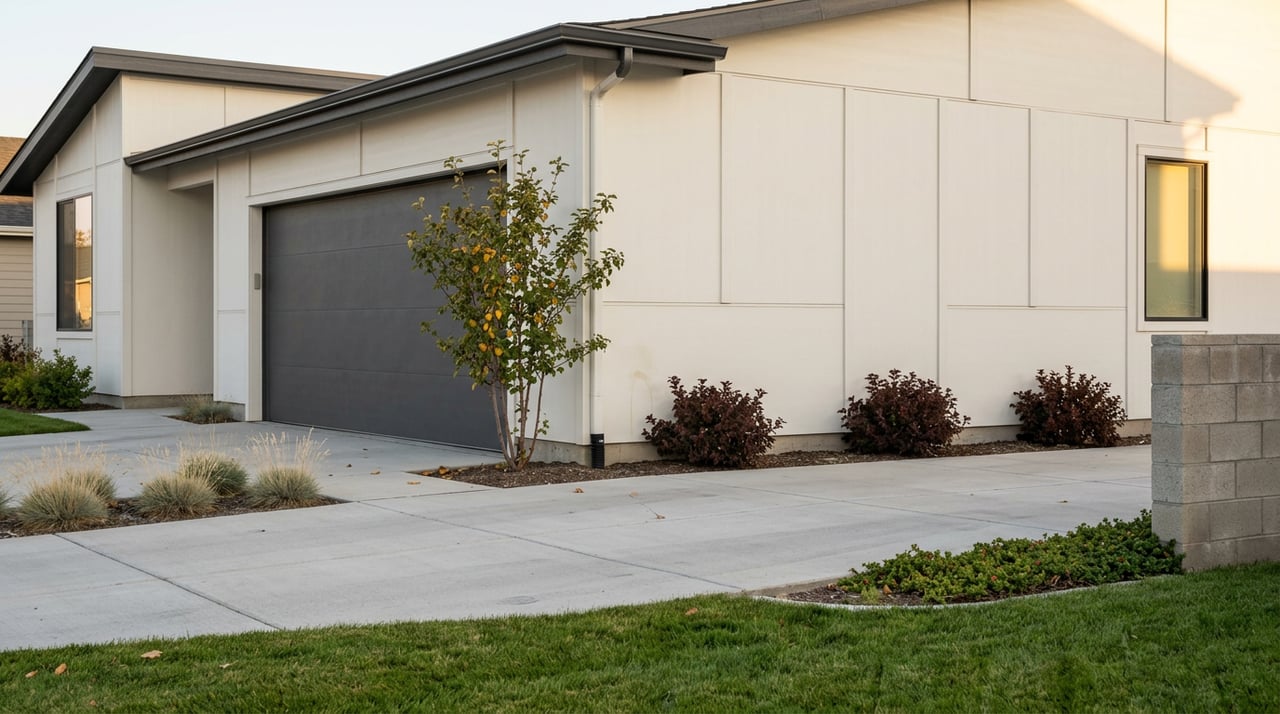
Townhomes often offer more living space, private garages, and driveways. They suit buyers who want more privacy, storage for gear, and the feel of a residential neighborhood. Some townhome communities are farther from village cores, which can reduce fees but add personal responsibility for upkeep.
HOA scope, fees, and fiscal health
What HOA fees may cover
- Condos: Exterior maintenance and building envelope, shared systems, snow removal for common areas, trash, landscaping, and amenities like hot tubs, pools, or fitness rooms. Building insurance and management are often included.
- Townhomes: Coverage varies. Some HOAs only handle shared roads and minimal landscaping. Others operate like a condo and maintain exteriors. Confirm line items so you know what dues actually buy.
Resort-style amenities, shuttles, concierge, and on-site management can significantly increase dues. In mountain communities, snow removal and road maintenance are major costs, so expect them to be prominent in budgets.
How to review HOA finances
Request and read the full disclosure package before committing:
- Operating budget and year-to-date financials
- Reserve study and current reserve balance
- Dues history and any special assessments in the past 3–5 years
- Delinquency rate for assessments and the collections policy
- Insurance certificates, coverage limits, deductibles, and claim history
- Recent meeting minutes and owner communications
- Property management agreement or whether the HOA is self-managed
- Any pending or recent litigation
Red flags to watch
- Low reserves and older buildings with deferred maintenance
- Frequent special assessments or rising delinquencies
- Pending litigation that could affect financing or lead to future assessments
- Vague or restrictive rental rules if you plan to rent
- Master insurance with high deductibles or narrow coverage
Seasonal realities in Big Sky
Snow, ice, and access
Big Sky winters bring heavy snow and ice. Ask who handles driveway plowing, roof access, walkways, and ice dams. If it is your responsibility, price out seasonal contracts and tools. If the HOA covers it, verify service standards, frequency, and any owner costs.
Utilities and winterization
Different developments rely on public water/sewer districts, community systems, or private wells and septic. Confirm your connection, metering, and billing. For seasonal or rental use, winterization matters. Ask about insulation, heat systems, freeze protection, and any HOA rules for vacant units in cold weather.
Parking and gear storage
Condos may have assigned or shared parking, sometimes with fees for extra stalls. Townhomes often include a private garage or driveway. Consider winter access, snow storage, and space for skis, bikes, and seasonal gear.
Financing and rental use
Financing differences
Lenders apply project-level criteria to condos. High investor ratios, commercial space, limited reserves, or litigation can slow or block approvals. Townhomes that are fee-simple often underwrite more like single-family homes and can be easier to finance. New or small associations may face added scrutiny, so connect with lenders early and confirm project approval needs.
Short-term rentals
Big Sky supports a strong vacation rental market, but rental rules vary by HOA and zoning. Some communities allow short-term rentals freely. Others set minimum stays, registration standards, or limits on frequency. If rental income is part of your plan, confirm the rules, management options, and typical seasonal occupancy. If you need rental income for qualification, verify lender treatment of projected or historical rents.
Taxes and local requirements
Property tax rates and assessment practices differ between Madison and Gallatin counties. If you plan to operate a short-term rental, confirm any lodging tax or registration requirements that may apply. The county and the HOA can both impact your compliance and costs.
A clear decision framework
Use this simple process to reach a confident decision:
- Confirm legal form. Is it a condominium unit or fee-simple townhome? Review the plat and legal description. This sets the default rules for maintenance and insurance.
- Match your use-case. Choose what matters most: low maintenance with amenities or more space with potentially lower dues but higher personal upkeep.
- Review the HOA package. Read the budget, reserve study, CC&Rs, bylaws, minutes, insurance, and financials. Note any litigation, planned projects, or dues changes.
- Check financing early. Ask lenders about condo project approval and any hurdles. If rental income matters, confirm whether and how it counts.
- Model total cost. Build a full-year budget that includes HOA dues, insurance premiums, routine maintenance, utilities, winterization, property taxes, and potential special assessments. If renting, include seasonality, management fees, and possible blocked dates.
Questions to bring to showings and docs
Title and legal structure
- What is the legal form of ownership and where are the boundaries drawn?
- Is there a recorded plat/unit map and any shared maintenance or party-wall agreements?
HOA governance and finances
- Current budget, reserves study, and reserve balance
- Dues amount, what it covers, and the 3–5 year history of increases
- Special assessments in the past 5 years or planned projects
- Delinquency rate and collections policy
- Self-managed or third-party management, and contact details
Insurance and liability
- Master policy type and coverage limits; how are deductibles allocated?
- Required owner policy type (HO-6 or HO-3) and minimum limits
- Past claims involving the building or association
Maintenance and repairs
- Responsibility for roof, siding, decks, gutters, driveways, and private utilities
- Snow removal policies for roofs, driveways, walkways, and parking
- Ice dam protocols and any preventive maintenance schedules
Rentals and occupancy
- Short-term rental rules, minimum stays, registration, or frequency limits
- Any rental pools or management agreements
- Occupancy limits or owner-occupancy requirements
Litigation and capital projects
- Pending or recent litigation and possible financial impacts
- Upcoming capital projects and funding sources
Utilities and services
- Water and sewer provider, metering, and shared obligations
- Which utilities are included in dues and which are owner-paid
- Heat type and seasonal cost expectations
Seller disclosures
- Recent inspections, major repairs, or claims
- For condos, whether there has been any water intrusion or envelope work
Which is right for you?
Choose a condo if you want:
- Low maintenance and lock-and-leave convenience
- Proximity to village amenities and potential rental demand
- On-site services like snow removal and building management
Choose a townhome if you want:
- More interior space, garage/driveway, and privacy
- The possibility of lower dues if services are limited
- Greater control over your exterior and small projects
There is no one-size-fits-all. In Big Sky, the right choice often comes down to your use-case, the HOA’s true scope, and how winter operations fit your budget and lifestyle.
Next steps
Get pre-approved, request a local insurance quote, and start collecting full HOA packages on any serious contender. If you are comparing properties across county lines, verify jurisdiction and utility service early to avoid surprises at closing.
If you want an appraisal-grade review of HOA docs, insurance, and total cost in Madison County, connect with Sunny Odegard. You will get clear, practical guidance tailored to Big Sky’s seasonal realities and your goals.
FAQs
What is the legal difference between a condo and a townhome in Big Sky?
- A condo is typically walls-in ownership with shared common elements. A townhome can be fee-simple (you own the structure and land) or condo-structured. Always check the recorded documents.
How do HOA fees typically differ between condos and townhomes?
- Condo HOAs often include exterior maintenance, amenities, and master insurance. Townhome HOAs may cover less, unless the townhomes are condo-structured. Verify line-item coverage.
Are condos harder to finance than townhomes in Big Sky?
- Condos can face project-level lender scrutiny on reserves, owner-occupancy, and litigation. Fee-simple townhomes often underwrite like single-family homes and can be easier to finance.
Can I operate a short-term rental in Madison County Big Sky?
- Rules vary by HOA and local regulations. Confirm minimum stays, registration, and any limits on frequency before you rely on rental income.
Who handles snow removal for my property in Big Sky?
- It depends on the HOA and legal structure. Some HOAs handle roofs, driveways, and walkways. Others leave portions to owners. Review the CC&Rs and budget for services.
What insurance policy do I need for a condo vs. a townhome?
- Condos usually need an HO-6 for walls-in coverage. Fee-simple townhomes often need an HO-3 or similar dwelling policy. Confirm HOA master policy coverage and deductibles.
How do county lines affect my Big Sky purchase?
- Big Sky spans Madison and Gallatin counties. County lines can affect property taxes, permitting, utilities, and road maintenance. Verify the property’s county early.